Photography & Posing
8 Sibling Rivalry Poses That Turn Fights Into Epic Photoshoots
Introduction Is there any rivalry stronger than sibling rivalry? Arguments, debates, and decade-long squabbles are the fabric of family bonding—and they make...
Introduction
Is there any rivalry stronger than sibling rivalry? Arguments, debates, and decade-long squabbles are the fabric of family bonding—and they make for wonderfully entertaining photos. The best sibling rivalry photos lean into faux fights, mock outrage, and playful pranks that celebrate the underlying love between brothers and sisters.
This guide shares eight sibling rivalry poses that turn family feuds into treasured photographs, with tips on props, expressions, and positioning for siblings of all ages.
Why Sibling Rivalry Makes Great Photos
Sibling fights are rarely serious during photoshoots. You're far more likely to capture silly scuffles than genuine falling out. The key is to showcase in-jokes, playful pranks, and reminders of long-past arguments—never fresh hurts.
Encourage gentle ribbing and mockery, and poses that display fake outrage and exaggerated frustration. When you get this right, sibling rivalry photos are some of the most fun, candid family images you'll ever capture.
Eight Sibling Rivalry Poses
1. Back-to-Back

When you've had enough and have nothing left to say, you turn your back. Have siblings stand back-to-back, looking slightly toward the camera as if seeking sympathy from the viewer.
Add folded arms and slightly slumped shoulders. Similar outfits create symmetry; completely different ones highlight their differences. Add props—a favorite toy for kids, a drink or bag for adults.
2. I'm Not Listening
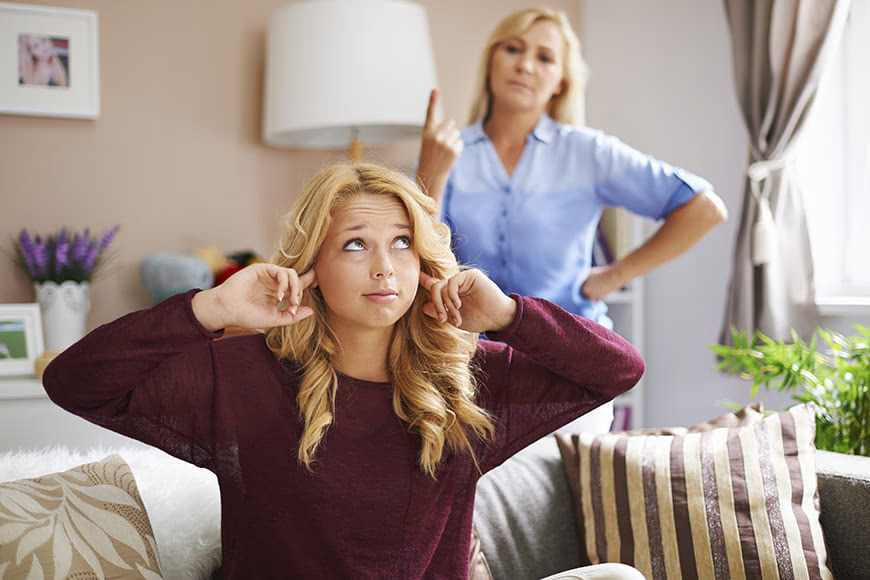
Have one sibling animatedly talking with hand gestures, the other with fingers in their ears or hands over them. The "not listening" sibling can look innocently upward or squeeze their eyes shut.
A fun technique: position one sibling behind the other, take two shots—each with different focus—and display them side by side as a keepsake.
3. Please Be My Friend
After a fight, someone extends the olive branch. Have one sibling reach out to shake hands or touch the other's arm. The other looks away, undecided on the apology, or back over their shoulder.
For children, have the peacemaker offer a favorite toy or flower. Position subjects at similar heights. Bright colors create contrast that emphasizes the emotional moment.
4. What Did You Do?
The age-old accusation: "I know you did something!" The older sibling looms larger in the frame. The younger looks sad, mischievous, or caught in the act. Props help—a teddy bear to clutch tightly adds authenticity.
For adults: one sibling peeking at the other's phone or sneaking something from their purse. The accusing sibling should fill half the frame with a questioning expression. A timeless capture of mischief.
5. Argh! You Don't Get Me!
Have siblings side by side, throwing their hands up in frustration. Moderate—not full rage. Need authentic frustration? Ask their least favorite song and play it until they genuinely throw up their hands.
For multiple siblings, arrange them in a semi-circle with varying angles. The result: mock disapproval backed by genuine love.
6. Don't Pull My Hair!
For siblings comfortable with physical play. The smaller sibling pulls the larger one's hair—this dynamic works; the reverse looks like bullying.
The younger sibling looks mad; the older scrunches their face in mock pain. Having both yell during the shot adds great energy. Always check with parents before any physical poses with children.
7. The Serious Debate
Perfect for adult siblings who can't agree on anything. Set them at a table, opposite or side by side, leaning in as if hammering a point home. Hand gestures are critical: "you know what I'm talking about" hands, fist banging into palm.
The pose epitomizes the never-ending feud between siblings who are way too similar to each other.
8. I'm Not Doing It
Funnier when the bossy sibling is the shorter or younger one—an unexpected dynamic. The bossy one stands beside or behind, shouting and gesturing. The other faces forward with a "Why me?" expression, looking at the floor, or crossing arms in refusal.
Props: a megaphone for the bossy sibling and a stop sign for the other add colorful interest.
Tips for Sibling Rivalry Photoshoots
- Leverage family knowledge—ask about ongoing squabbles for authentic inspiration
- Give regular reminders that this is all in fun
- Never needle siblings into real fights for authentic emotion
- Take breaks if emotions run high
- Keep parents nearby for children in case soothing is needed
- Plan a fun activity for after the shoot to remind them they love each other
- Use similar clothes or colors with contrasting backgrounds
- Let siblings suggest their own poses based on past feuds
Conclusion
Sibling rivalry poses work because sibling love is real and deep. That underlying bond allows brothers and sisters to lean into frustrated moments with humor and levity, creating family photos they'll treasure forever. Get creative, stay safe, and let the sibling dynamic drive authentic, entertaining images.
FAQ
How do I handle real sibling fights during a photoshoot? Take an immediate break. Separate the siblings briefly, redirect to a different activity, and never pressure them to continue a rivalry pose when emotions are genuinely high.
What age groups work best for sibling rivalry poses? All ages—from toddlers to adults. Adjust the intensity: playful tussles for young children, mock debates for teens, and witty one-upmanship for adult siblings.
How do I keep poses safe for young siblings? Always check with parents before any physical contact poses. Avoid anything resembling real violence. Keep parents nearby and stop immediately if children show genuine discomfort.
What props work for sibling rivalry photography? Favorite toys, books, blankets, megaphones, stop signs, phones, wallets—anything that fuels the sibling dynamic. Let siblings bring items meaningful to their relationship.
Should siblings wear matching or contrasting outfits? Matching or similar colors emphasize their bond despite the staged conflict. Contrasting outfits highlight their differences. Both approaches work; choose based on the story you want to tell.